What the word is made of
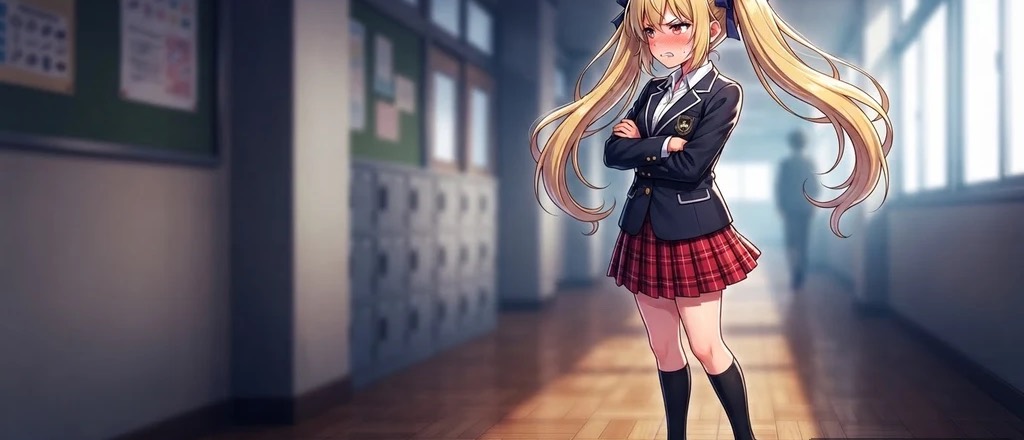
In Japanese, "tsun-tsun" paints a picture of someone who's turned away with their nose in the air. "Dere-dere" is someone who's gone soft and is grinning ear to ear. Put together, you get a portrait: nose up on the outside, a melted heart on the inside. Notice the order. The harshness is on display for everyone, all the time, while the warm layer is hidden and only slips out now and then, as if by accident.
Fans used to describe a tsundere as a heroine who starts out cold and warms up by the end. These days it usually means something else: both sides live in her at the same time, and the whole charm is in watching them fight.
Four signs of a tsundere
- Denial. "I wasn't waiting for you. I just happened to be standing here. For twenty minutes." The more obvious the feeling, the louder she denies it.
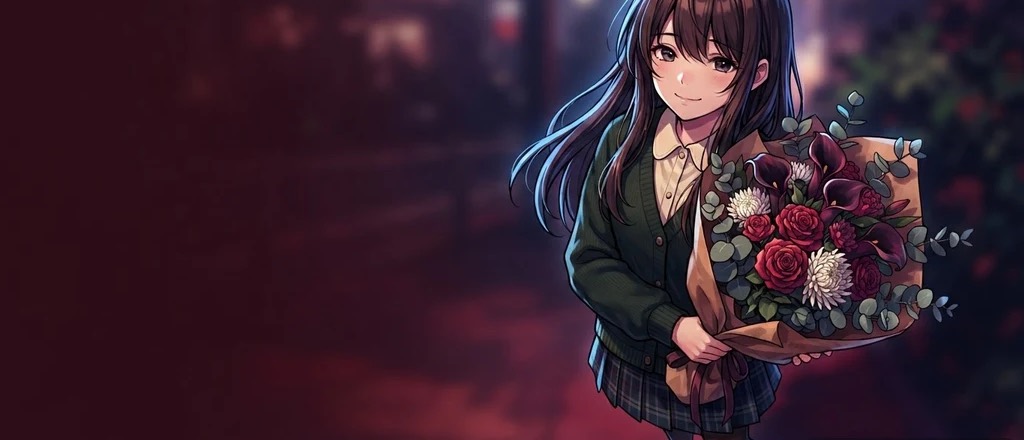
- Exploding at a spot-on compliment. Say "that hair clip looks good on you" and you'll get "Don't look at me like that!" and bright red ears.
- Caring disguised as a complaint. "You skipped lunch again? Here, take this. And don't go thinking I made it specially for you."
- Warm words under her breath. She says the most important things as you're leaving, with her back turned, or so quietly you can pretend you didn't hear.








Comments