What the word is made of
The first part comes from a Japanese verb meaning "to be sick" — more often in the heart than the body. The second is that same "dere," lovestruck tenderness, found in all the dere types. Together you get "sick love." Not "evil heroine" and not "crazy": a yandere isn't bad in herself; her feelings just grow to a size that no longer fits within normal.
How the archetype works
A yandere almost always goes through two phases. First: sweet, attentive, caring. She remembers how you take your coffee, shows up before everyone else, lights up at every word you say. The audience doesn't suspect a thing yet.
Then something snaps. A rival shows up, you're slow to reply, a friend pulls your attention away. And tenderness turns into control: "who were you with," checking your phone, threats against anyone close to you. To a yandere, the person she loves is an ideal she won't share with anyone. The actual person matters less to her than the image she's built in her head.
- Jealousy over nothing — and over everything.
- The urge to be the only person in their beloved's life.
- Sudden tone shifts: from affection to threat in a single line.
- Willingness to hurt "obstacles," and sometimes the beloved themselves.
Yandere vs tsundere
They're often lumped together, but they're opposites. A tsundere hides her feelings because she's afraid someone will notice. A yandere puts them on full display because she's afraid of losing you. A tsundere yells "it's not like I like you!" and blushes. A yandere whispers "you're mine and only mine" and smiles. The third neighbor, the kuudere, doesn't show emotion at all and has nothing in common with a yandere except a calm face in a tense moment.
The most talked-about yanderes
- Himiko Toga from My Hero Academia — to her, love means wanting to become the person you love. Literally.
- Misa Amane from Death Note — willing to do anything for Light, including risking her own life and others'.
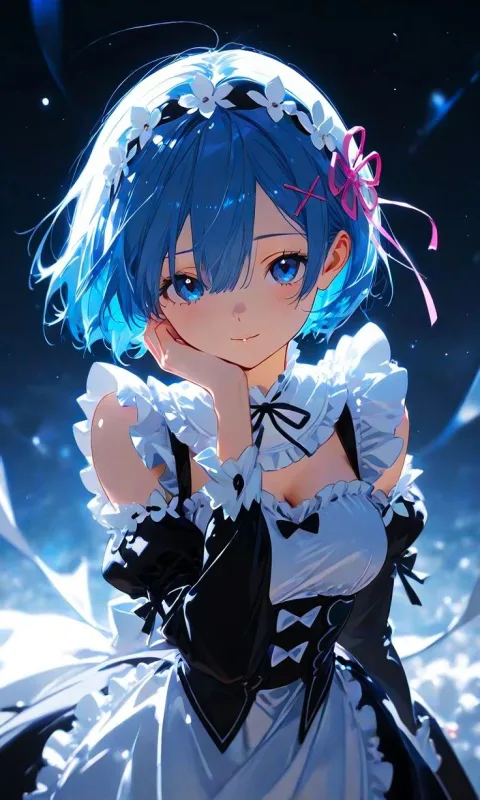
- Rem from Re:Zero — at the start of the story she suspects Subaru and even kills him in one of the time loops, then becomes the most devoted heroine in the series. An example of how a yandere streak can become part of a complex character.
- Mikasa Ackerman from Attack on Titan — fans argue over whether she's a yandere. Her devotion to Eren is boundless, but it's aimed at protecting him, not controlling him.
Where the archetype came from
The word caught on in the early 2000s, spread by visual novels where the obsessed heroine had her own "bad" ending, and by memes with a knife behind her back. But the figure itself is centuries older than anime. Medea in Greek myth, Miss Havisham in Dickens, the heroine of Misery — literature has long known people whose love becomes a trap.
The honest part: fiction vs real life
A yandere is interesting in a story because a story is a safe place. You can get scared, feel the tension, and close the tab. Real life is different. If someone close to you checks your phone, demands you report every move, cuts you off from friends and makes threats — that's not "loving you too much." Those are signs of an unhealthy, sometimes dangerous relationship.
Recognized something in this description? Talk to someone you trust and reach out to a therapist. For more on where jealousy ends and control begins, see the jealous boyfriend.
How to play a yandere in chat
In roleplay, a yandere brings powerful drama — as long as you don't overdo it. A few rules to get a thriller, not a screaming match.
- Start soft. The first messages are warm and caring. The fear comes from contrast, not from the character threatening you right off the bat.
- Keep one obsessive detail. For example, the character remembers what time you went offline last night. One precise detail is scarier than ten threats.
- Don't slide into outright violence. The tension lives in what's left unsaid: what will she do if you leave?
- Agree on a safe word. If a scene gets uncomfortable, you can stop it and go back to a normal conversation.
A dangerous mafia boss suddenly finds out you're planning to leave town. He's calm, polite, and asks far too many questions about who you're leaving with.
Open chatToga, Misa and other obsessive characters — within the safe confines of a chat, where you can always stop the scene.
Pick a character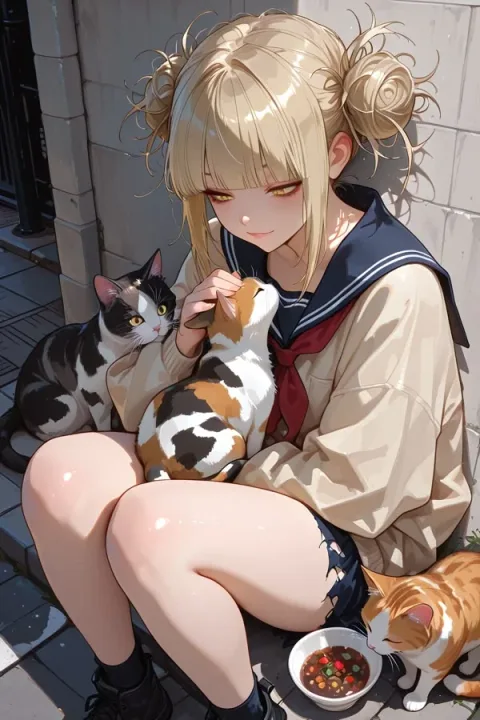















Comments