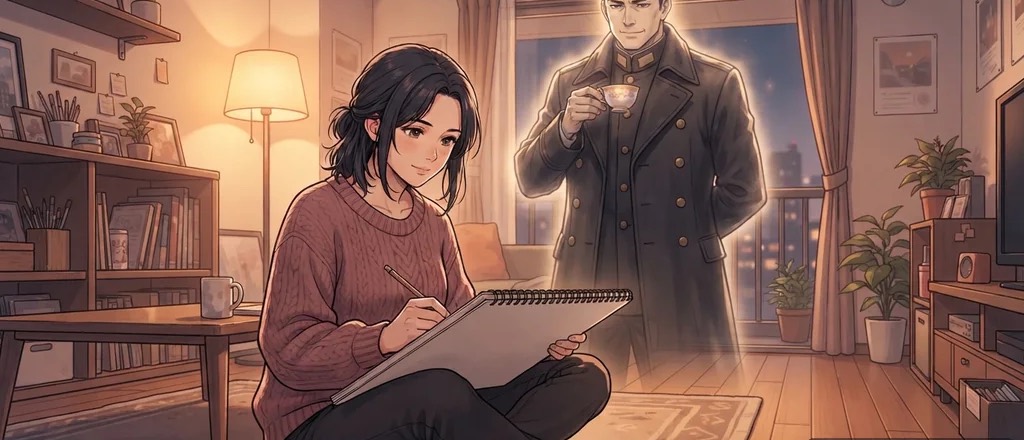
Where the word came from
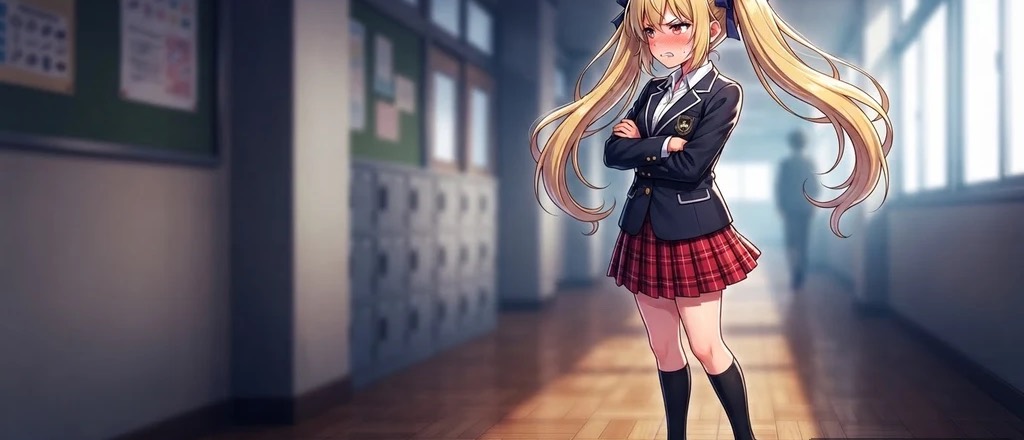
"Waifu" came first. In the anime Azumanga Daioh, the teacher Kimura shows a photo of his wife and says "my wife" in English with a Japanese accent. The English subtitles rendered it as "mai waifu," and the phrase became a meme: fans started calling their favorite heroines that. The male counterpart was born the same way: "husband" with a Japanese-style ending turned into "husbando."
One important detail: nobody in Japan actually says this. English-speaking fans coined the word, and fandoms elsewhere, including in Russia, simply borrowed it. That's why there are several spellings floating around, with no single standard.
Fans fall for the crack, not the armor
Look closely at the most popular husbandos, and they all share one trait. On the outside: strength, coldness or swagger. Then in some scene the armor cracks, and you see something vulnerable underneath. Japanese fandom calls this gap moe: the melt-your-heart feeling that comes from contrast.
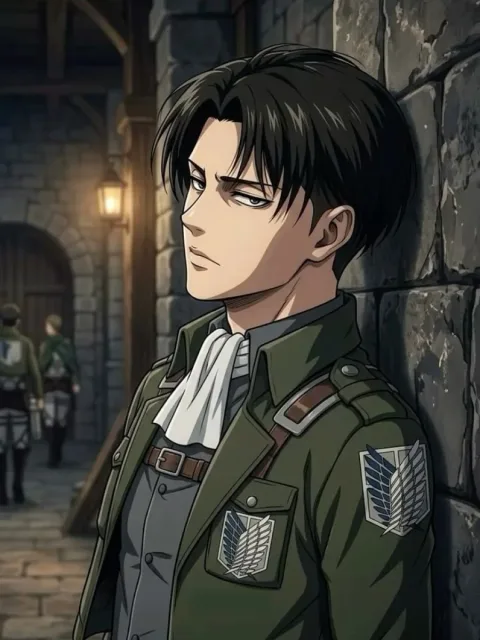
- Levi from Attack on Titan is humanity's strongest soldier and also a neat freak who scrubs headquarters till it shines and remembers every fallen comrade.
- Roy Mustang from Fullmetal Alchemist is a cocky colonel with jokes about miniskirts, but really a man carrying the guilt of a war on his back.
- Spike Spiegel from Cowboy Bebop is a laid-back bounty hunter who just can't let go of his past.



Comments